
The Question Nobody Prepared Me For
By Carlos Arnero, Founder of Arnero Collective
You've finished the work of treatment, surrendered what needed to be surrendered, and you've emerged out the other side with your sobriety. By every measure in the world of recovery you're succeeding. It's in this liminal space that I found myself sitting with a question that no one who had walked the journey alongside me had prepared me for. Who am I now?
It wasn't a question of who I was before or who I was when I was at my lowest. But the more pertinent question of the present circumstances. Who am I today in this life that I'm rebuilding? If I'm not defined by the career I nearly dismantled, the identity I had constructed around success and achievement, or the coping mechanisms I had finally walked away from, who am I now? It's a question I didn’t have an answer to and I realized that no one had ever asked me to find one.
I want to be mindful and very careful of one thing about the process of recovery and treatment. Treatment provides the foundation for recovery and creates the conditions for transformation to begin. The people who walk alongside you through that process do something that cannot be done alone, and I am not here to minimize what recovery programs offer. What they offer is essential and it saves lives. That said, there is a gap between sobriety and wholeness. For high-performing leaders, that gap can be significant.
“That said, there is a gap between sobriety and wholeness.
For high-performing leaders, that gap can be significant.”
Like many leaders, I had built an identity around external markers. Title, influence, output, and the ability to carry more than most in the room are just a few examples. My faith was real but compartmentalized. My relationships were present, but secondary to my professional work. Lastly, my inner life was something I attempted to manage rather than inhabit.
When the collapse came, it stripped all of that away. Treatment addressed the coping behaviors in my life and helped me understand the patterns of avoidance and the deeper wounds I had never confronted. What it wasn't designed to do was tell me who I was supposed to be on the other side. That work was mine to do and I had no map for it.
I've come to believe that high-performing leaders face a unique version of this challenge that doesn't get talked about enough in recovery spaces. Our identities are often so deeply attached to our roles, our accomplishments, and our image that when those things are fractured, we don't just lose a job or a title. We lose the story we've been telling ourselves about who we are. Recovery tends to focus on what we're moving away from and that's important. What we're moving away from carries with it a sense of urgency and it's right that it comes first. The truth is that at a certain point the urgent work is done, you're standing on the other side, and you have to figure out what you're moving toward. That's exactly where I found myself. I was sober and extremely grateful, yet in many honest ways, lost and confronted with the question: Who am I becoming? It’s the question that led to the vision of Arnero Collective.
The answer didn't come from a prescribed healing framework or a program. It came from slowing down long enough to tell the truth about my life. Not just the parts that led to collapse, but the deeper questions beneath the surface. What did I actually believe was true? What did I value when no one was watching and nothing was at stake? What had I been running from, and what had I always been running toward? For me those questions led back to my faith. Not the compartmentalized faith I had carried in parallel with my career, real but rarely integrated, but something more honest and based on truth. It was an honest reckoning with what I believed about purpose, divine design, and what an aligned life actually looks like. What I came to understand is that restoration begins where recovery leaves off. While recovery is the necessary beginning, restoration is the longer, intentional, and slower work of rebuilding a life that is genuinely aligned. Where faith, identity, and how you actually live are held together rather than kept in separate compartments. A life where your inner life and outward leadership are moving in the same direction. The distinction between recovery and restoration changed everything for me.
If you find yourself somewhere in the middle of this, through the fire of the acute crisis, doing the work, but still feeling like something essential is missing, I want you to know that the disorientation you're feeling is not a sign of failure. It might actually be the most important threshold you've crossed in the process of restoration. The question of who you are now isn’t a sign that recovery hasn't worked, but rather it's a sign that you've cleared enough ground to ask something deeper. That's not a small thing and it's the beginning of the real work of integration.
The question of who you are now is not one you have to answer quickly, and it doesn’t need to be answered alone. It's a question worth honoring, treating with self-honesty and patience, without running back to the next version of life you used to live. Remember, the goal was never just to get back to where you were, but to move toward wholeness and into the life you were actually designed to live.
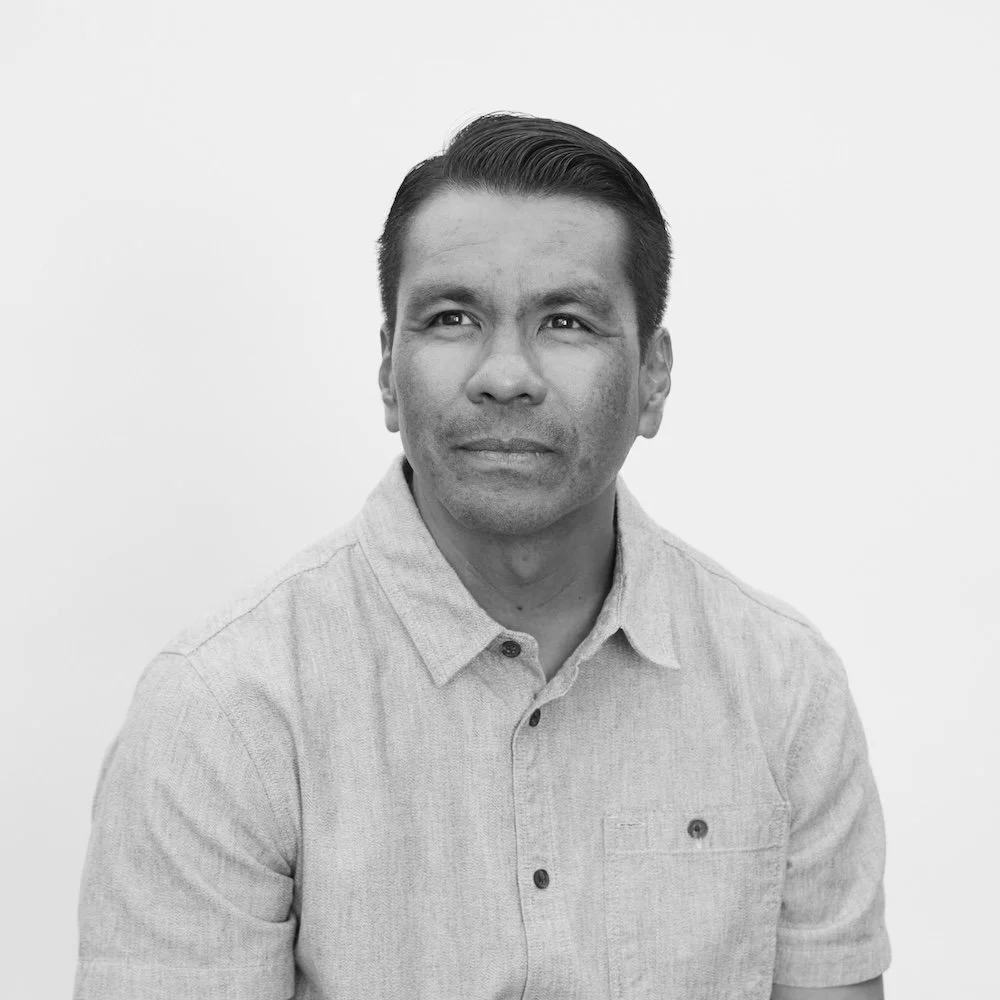
Carlos Arnero is the founder of Arnero Collective, a restorative coaching practice for executives and leaders navigating misalignment, recovery, and the pursuit of wholeness.
